About

Redefining Electric Propulsion

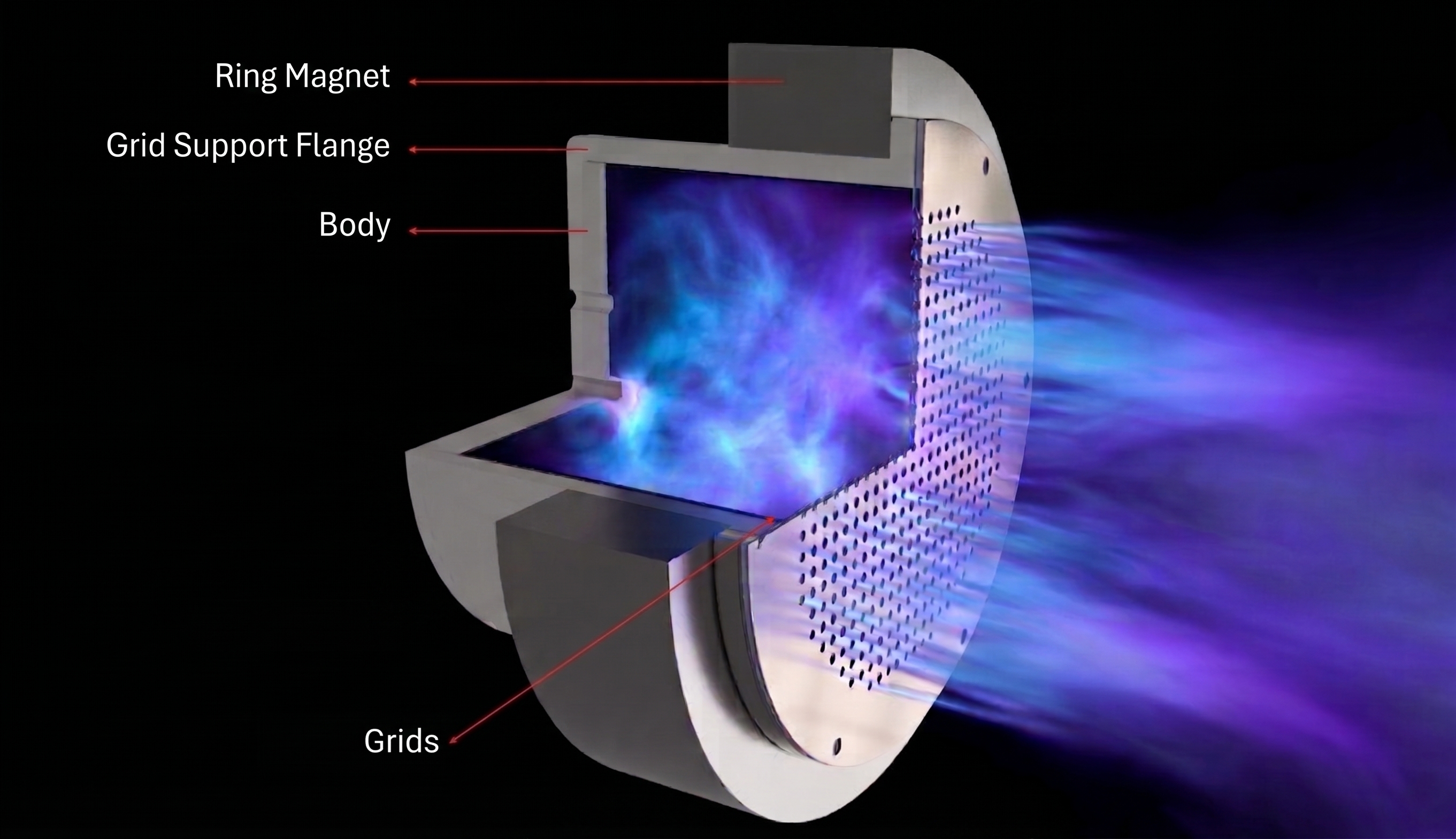
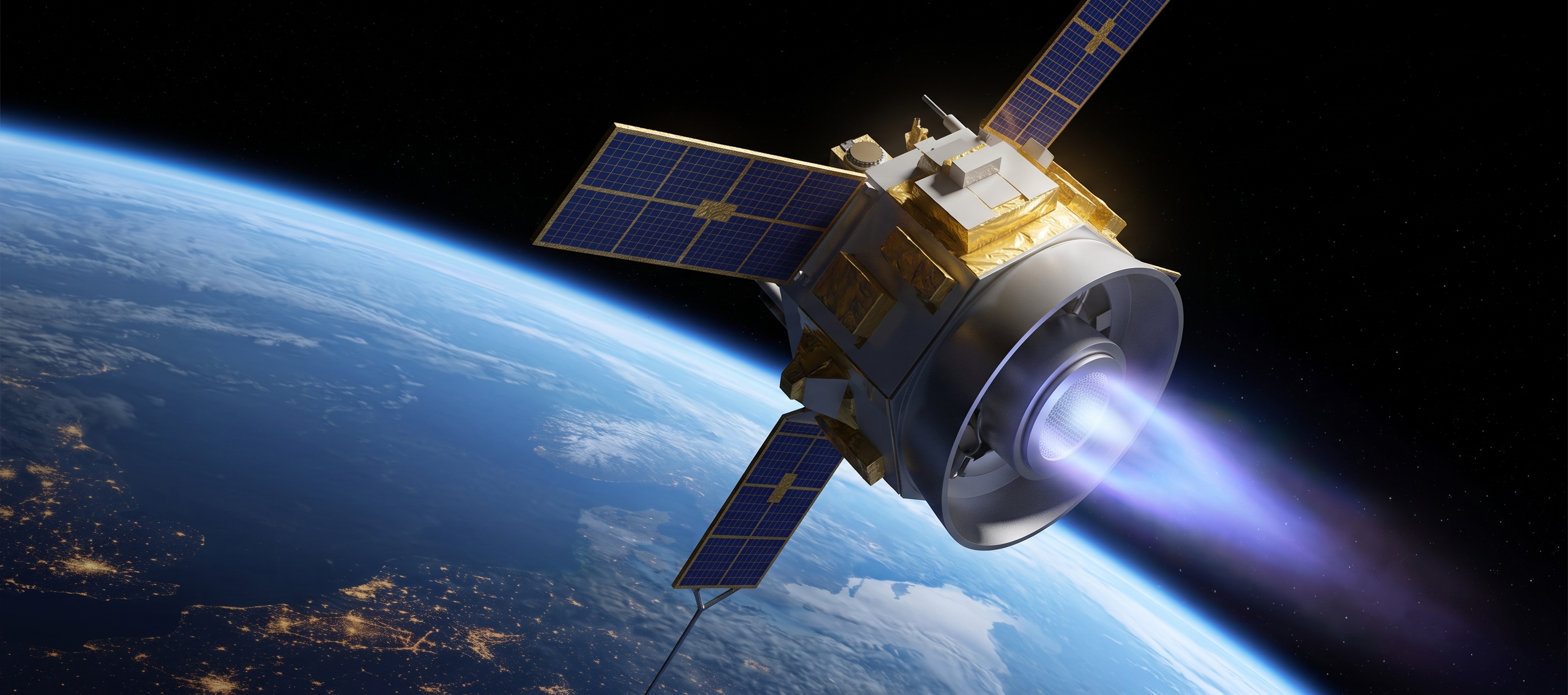
Focused on designing a cathodeless gridded ECR ion thruster that uses asymmetric pulsed neutralization to micro and minisatellites. It is designed for VLEO drag compensation and collision avoidance, prioritising efficiency and reliability.
Mission

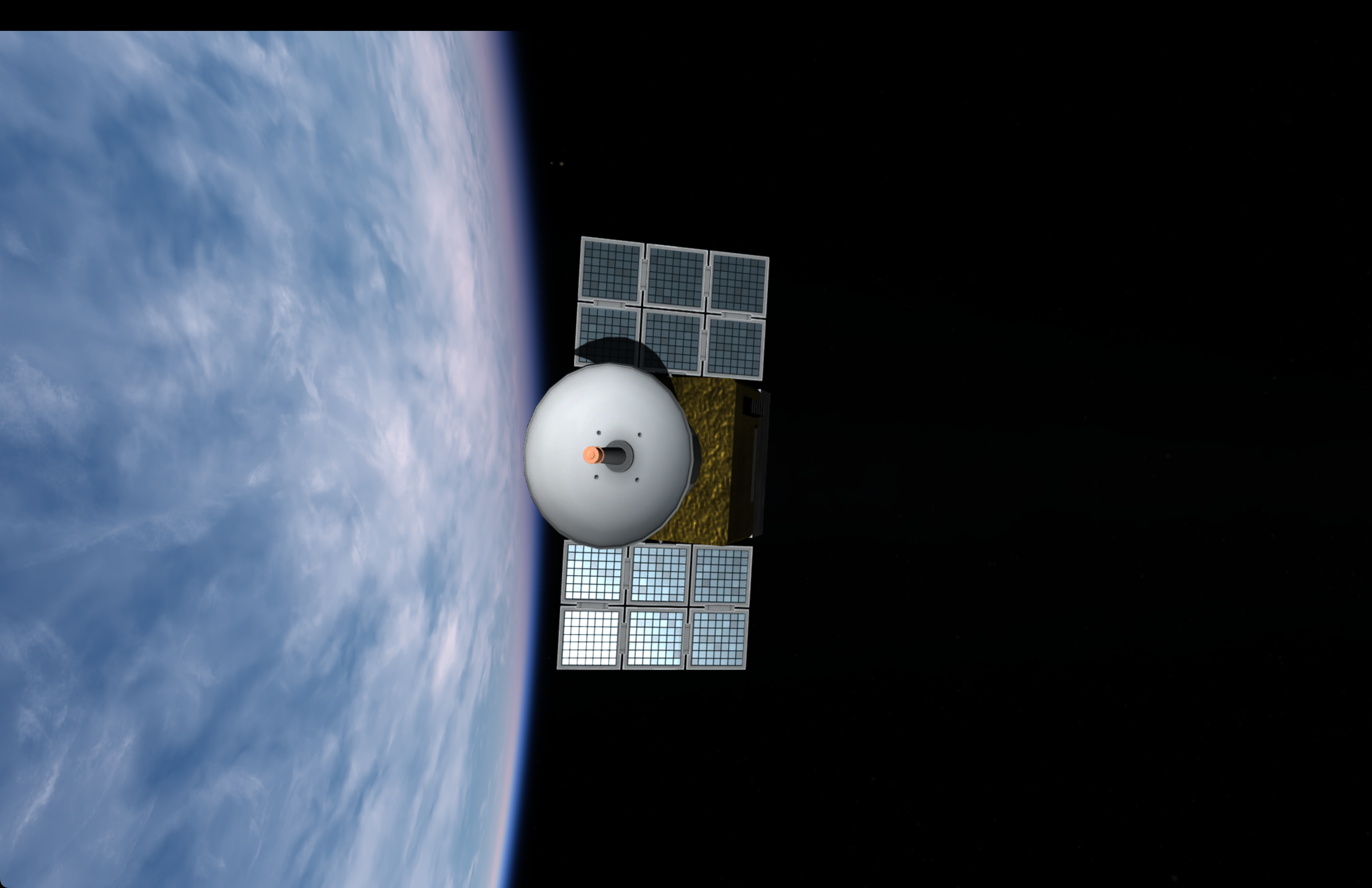
Very Low Earth orbit will only get more prominent in the future as it offers less latency and unmatched surface resolution. It also is mostly self cleaning, meaning that it does not contribute to the Kessler Syndrome. VLEO though has significant atmospheric drag in comparison to a vacuum, meaning that any satellite requires an active propulsion system to not fall and burn up. So I am building that thruster, that is made to work best in VLEO, without requiring complex intakes like air breathing propulsion.
NEXT steps
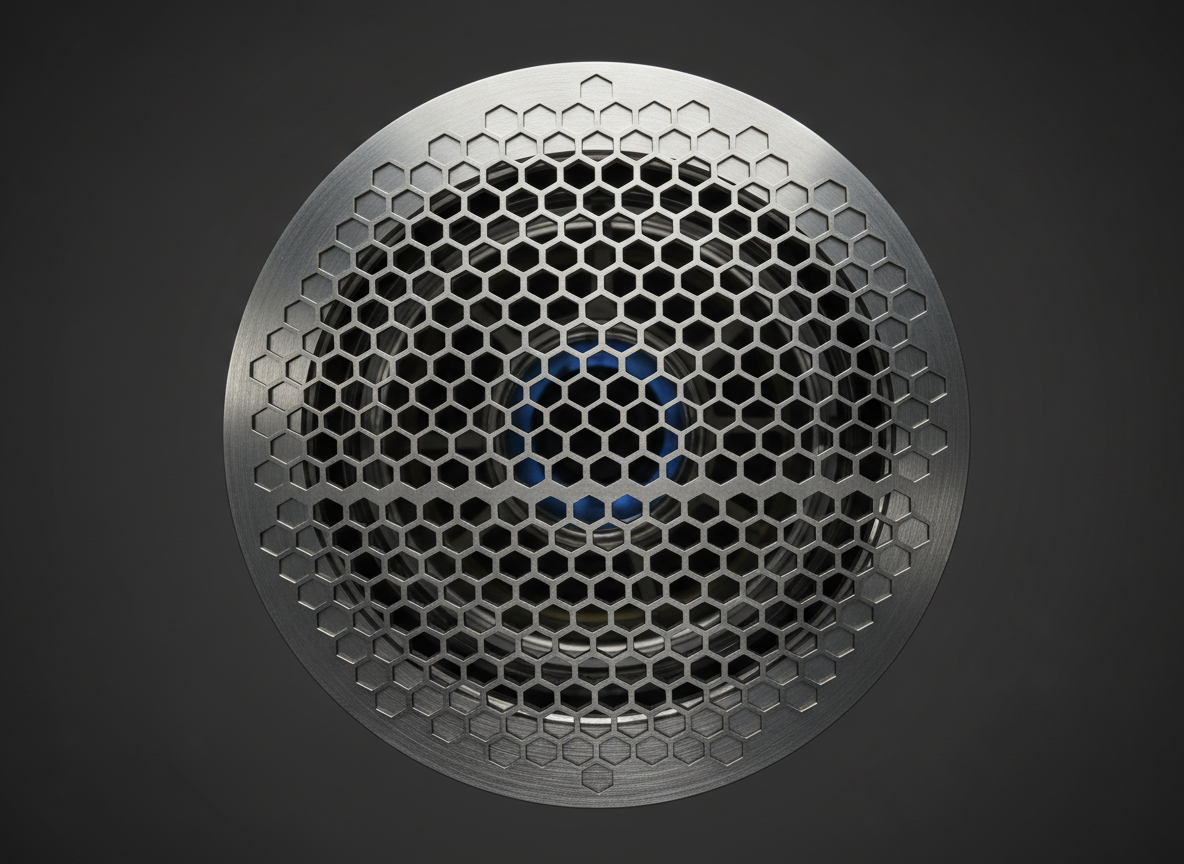
A close, photorealistic view of the gridded ion optics of a cathodeless ECR thruster, looking directly into the circular grid assembly. The front grid appears as a finely machined metallic disk perforated by a precise hexagonal pattern of tiny apertures, with soft specular highlights along the beveled edges of each hole. Behind it, slightly out of focus, a secondary grid structure and the shadowy interior hint at the plasma region. The thruster is set against a matte, charcoal-gray backdrop in a controlled studio environment. A single, diffused key light from the upper right creates gentle shadows that emphasize geometric regularity and surface quality. The mood is meticulous and elegant, spotlighting engineering precision.

CNC Machining of Thruster

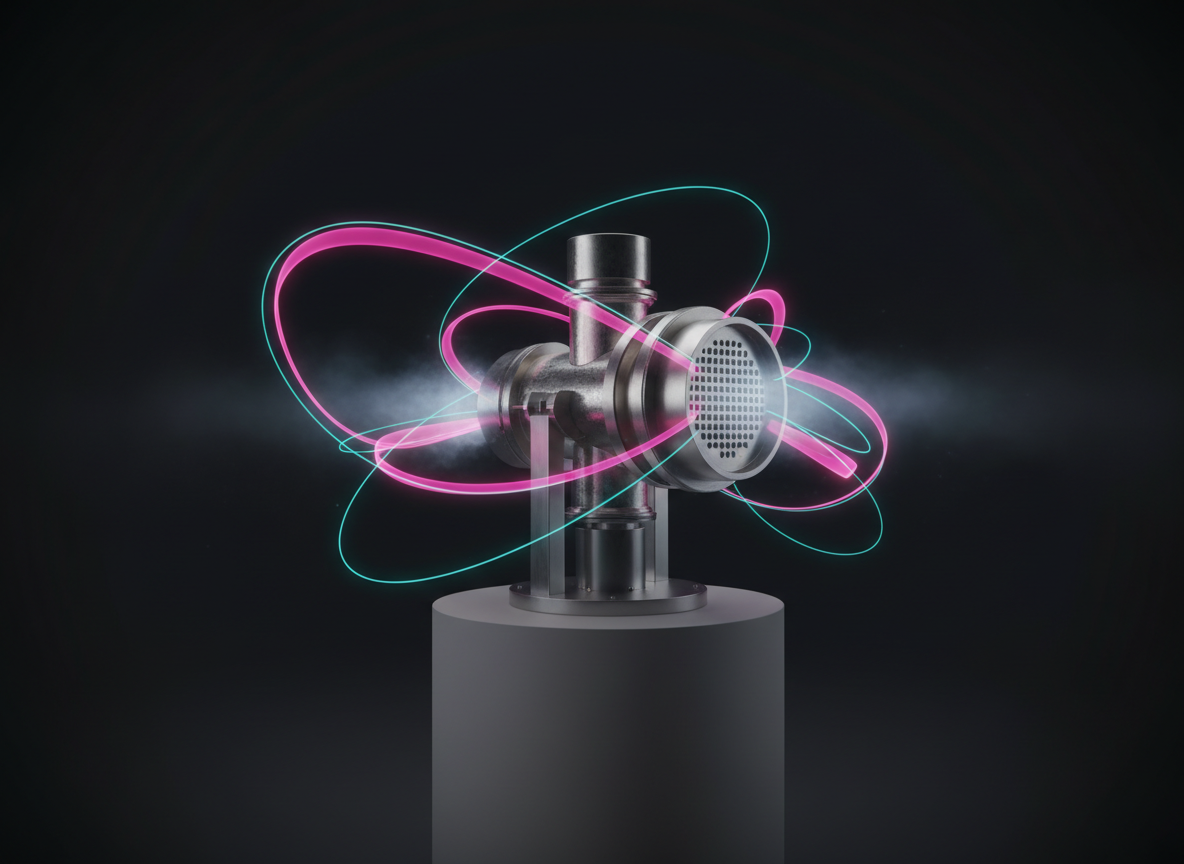
A schematic-like but photorealistic scene of the magnetic field topology around a cathodeless gridded ECR thruster, combining physical hardware with visualized fields. The metallic thruster is mounted on a neutral gray pedestal in a dark studio, while semi-transparent, glowing curved lines in cyan and magenta arc around it, representing magnetic field lines and electron cyclotron resonance zones. Subtle volumetric light hints at ionized gas, adding depth without obscuring hardware details. Focused, low-key lighting gently illuminates the thruster’s contours, leaving the background in near-black, enhancing contrast with the field visualizations. Captured from a three-quarter angle with moderate depth of field, the mood is conceptual, scientific, and slightly cinematic, ideal for explaining ECR mechanisms to advanced students.

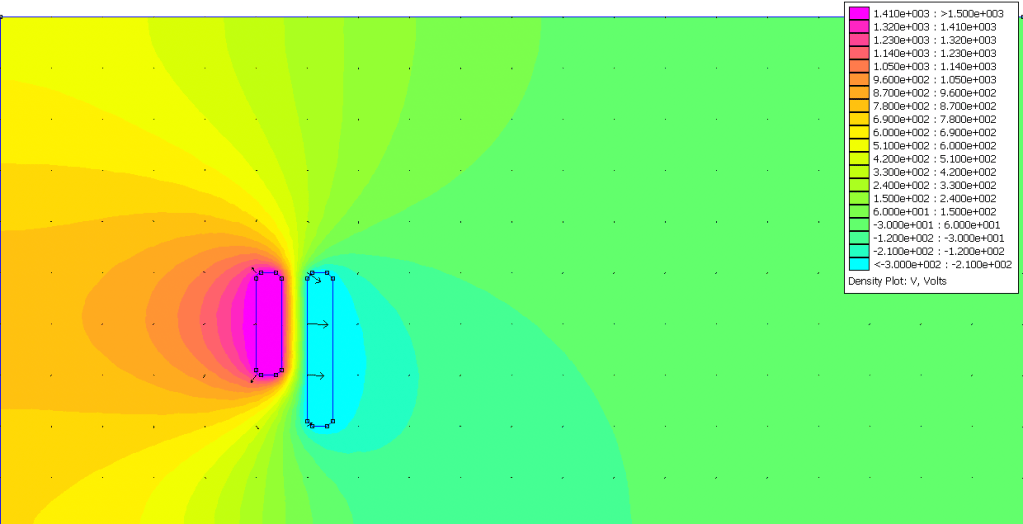
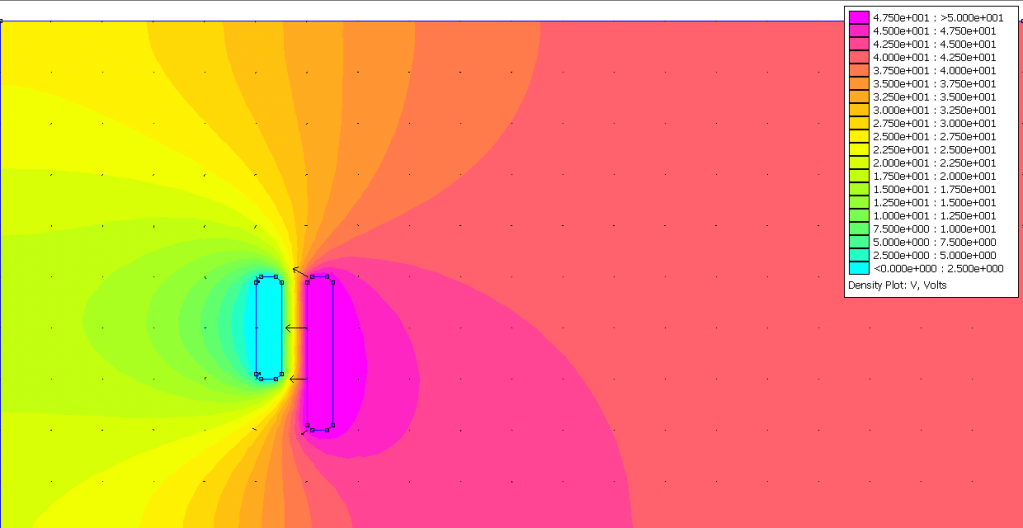
Valve design and PiC simulation.

Contact ME

Reach out to discuss collaborations, and for further questions.

← Back

Thank you for your response. ✨